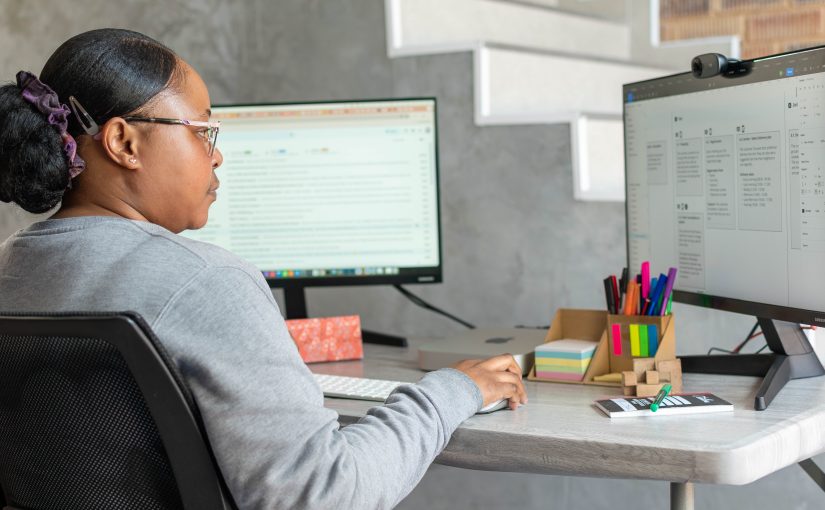
My mentor once told me, “I can’t teach you collaboration; that’s something you learn through experience.” At the time, I wasn’t sure what to expect when joining a large design team. Unlike Figma, where problems can be solved with a few tutorials and practice, working with people is far more unpredictable.
People bring their own moods, family issues, peer pressure, and even envy or imposter syndrome into the mix. And you’re not immune to these dynamics yourself, which only adds to the complexity. The best way to understand and manage these interactions is simply to experience them firsthand.
Finding My Voice in Design
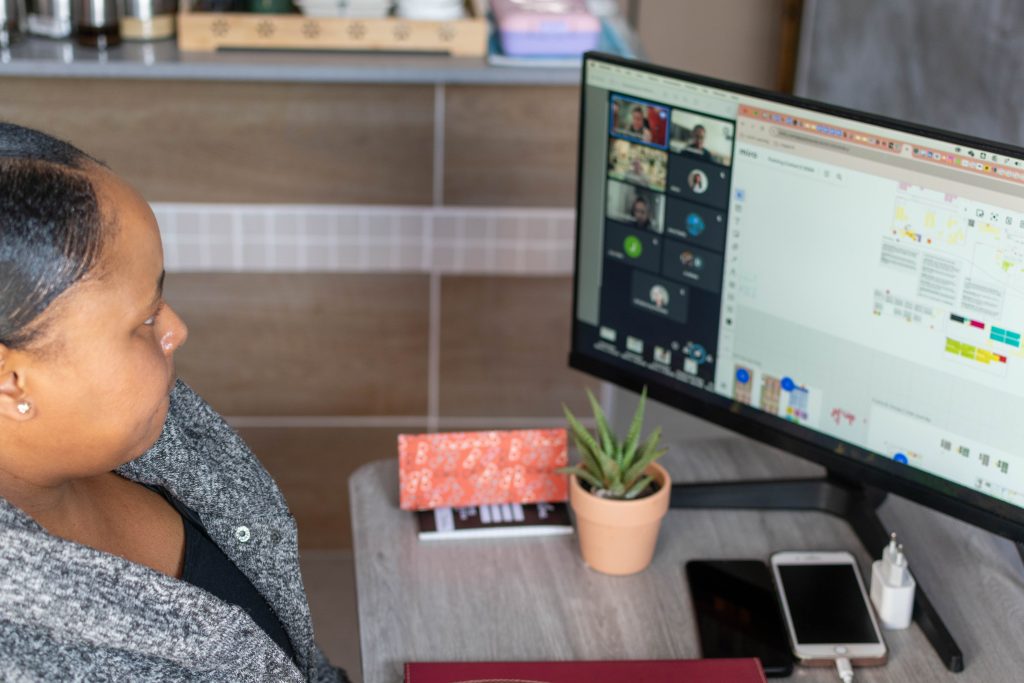
Joining She Can Do has been a pivotal experience for me. This program offers an excellent opportunity to gain hands-on experience in a collaborative design environment. What I value most about She Can Do is the chance to work on real projects with tangible deliverables.
This real-world team-based pressure and emotional investment are new to me. Until now, I had only worked on freelance projects for small companies. For the first time, I’m learning to defend my design decisions in front of a team of designers and clearly express my opinions. My mentor always stressed the importance of developing both a keen eye and a strong voice in design—skills that are crucial for establishing oneself in the field.
Facing Design Reviews
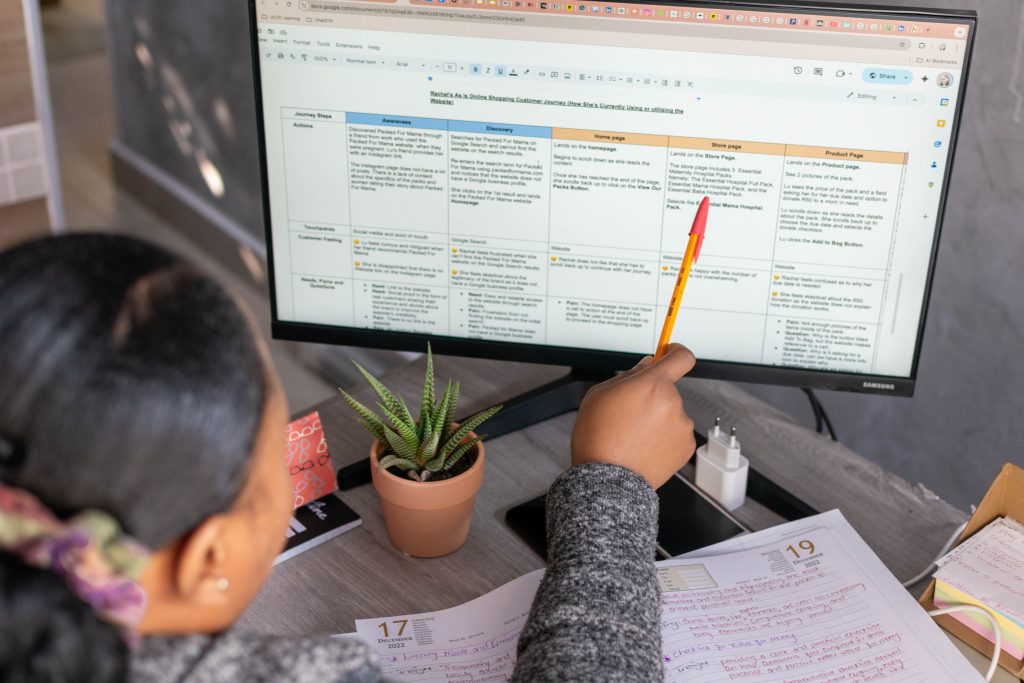
When I started my UX/UI journey in 2021, one of my first challenges was learning to advocate for my designs. Back then, I worked on the Daily UI Challenge and presented my designs to my mentor, answering questions like, “What inspired this design?” “Why did you choose this font?” and “What’s the reasoning behind your colour choices?”
Initially, these review sessions were nerve-wracking, and I often felt anxious discussing my design choices. However, over time, these sessions helped me build confidence and improve my design vocabulary. Over time, I had grown accustomed to the way my mentor reviewed my work, which led me into a comfort zone.
What I now appreciate about She Can Do is that my work is reviewed by people with diverse personalities, professional backgrounds, and design preferences. This diversity challenges me to think more critically and adapt.
Conclusion
I’m beginning to understand my strengths and weaknesses in a collaborative setting. One of my weaknesses is struggling to think and solve problems in real-time. I find that I thrive when given the time to work independently, allowing me to refine my thoughts and designs.
She Can Do has pushed me out of my comfort zone once again, and that familiar knot of anxiety before review sessions has returned. I’m embracing it wholeheartedly! How about you? What has been your experience working in a collaborative design environment, and how did it feel when you landed your first design job?
Let’s connect on LinkedIn